- |
- Inquiry List
- |
- Sign In or Sign Up

Quench-and-temper parameters by property class, the post-plating bake that stops hydrogen becoming a delayed fracture, and the tests that verify it — written for the engineer who has to sign off on a 10.9 or 12.9 joint.
Pickling, cathodic degreasing and electroplating all push atomic hydrogen into the steel. In a quenched-and-tempered high-strength part that hydrogen migrates to the grain boundaries and stays there. Nothing fails on the bench and nothing fails in incoming inspection — the part cracks under sustained load after installation, occasionally a week later, occasionally three months later.
That is why the fix is procedural rather than cosmetic: bake the hydrogen out inside a narrow time window after plating, before any passivation or sealing film can close the pores it needs to escape through, and hold the part at temperature long enough for the diffusion to actually finish.
The three factors that decide the risk are the strength level, the coating process and the section size. Raise any one of them and the bake schedule has to move with it.
Property classes 10.9 and 12.9 in every size, coated by zinc, cadmium or hard chrome plating, are the textbook hydrogen-embrittlement combination. Industry standards treat post-plating dehydrogenation as mandatory for this pairing — it is not a value-added option.
Class 8.8 is normally not baked. The exception is a part that ended up above HRC 32 after heat treatment and then went through deep pickling or a long cathodic degrease before plating.
Mechanical zinc, zinc-flake (Dacromet / Geomet type) and chrome-free zinc-aluminium coatings generate no electrolytic hydrogen. They need normal drying only — a bake cycle adds cost without adding protection.
Three schedules, three different steels. Hardness and tensile strength are the output; the decarburisation limit is the part that quietly decides whether the thread strips before the bolt does.
| Property class | Steel grade | Austenitising & quench | Temper | Hold | Hardness | Tensile strength | Decarburisation limit |
|---|---|---|---|---|---|---|---|
| 8.8 | Carbon steel 10B21 | 850 – 900 °C, water or oil | 550 – 600 °C | 60 – 90 min | HRC 28 – 34 | ≥ 800 MPa | — |
| 10.9 | Alloy steel 40Cr / 35CrMo | 840 – 880 °C, oil | 500 – 550 °C | 60 – 90 min | HRC 32 – 39 | ≥ 1040 MPa | ≤ 1/3 of thread height |
| 12.9 | 42CrMo / SCM435 (high hardenability) | 850 – 870 °C, oil | 400 – 480 °C | 60 – 90 min | HRC 39 – 44 | ≥ 1220 MPa | ≤ 1/4 of thread height |
Scroll horizontally to see every column →
Resulting microstructure is tempered sorbite in all three cases. The tighter decarburisation allowance on 12.9 is not a formality: a decarburised layer is softer than the core, so the thread flanks yield first and the joint loses preload before it ever reaches its rated strength.
Sequence matters as much as temperature. The window opens the moment the plated load comes out of the rinse and closes when passivation or sealing starts — after that the pores are shut and the hydrogen is staying in.
Any part that has been through a heat-treatment operation and then zinc, cadmium, hard chrome or zinc-nickel plating is baked, full stop.
With zinc, cadmium or hard chrome this is the highest-risk combination in the plant. Industry standards require post-plating dehydrogenation without exception.
Harder-than-normal 8.8 parts that saw deep pickling or prolonged cathodic degreasing before plating are baked as well, to keep residual hydrogen inside limits.
Temperature is capped for a reason: 12.9 is tempered at 400 – 480 °C, so a bake that drifts past 220 °C starts undoing the temper you paid for.
| Property class | Temperature | Hold time | Size / mass rule | When it applies |
|---|---|---|---|---|
| 8.8 | 190 – 210 °C | 2 – 4 h | 4 – 6 h for > M16 | High-stress applications only; ordinary parts can be waived |
| 10.9 | 200 – 220 °C | ≥ 12 h | 16 h at M24 and above | All sizes; never shortened below 8 h |
| 12.9 | 200 – 220 °C | ≥ 24 h | 26 – 30 h for heavy sections | All sizes; furnace entry within 2 h of plating |
Not applicable: mechanical zinc, zinc-flake coatings (Dacromet / Geomet type) and chrome-free zinc-aluminium coatings. These deposit without an electrolytic hydrogen source, so a normal dry-off is the whole requirement.
A bake schedule is a claim until something measures it. These are the methods behind that claim, from the routine acceptance test to the failure analysis used when a part comes back cracked.
The sample is loaded below its yield strength and held under constant load for 48 to 200 hours. No fracture over the observation window is a pass. Referenced to GB/T 3098.17 and ISO 15330; this is the method the fastener industry accepts as standard.
The bolt is clamped in its assembled state between harder test plates so the stress path matches the real joint, then watched for delayed cracking over 24 hours. Suits small screws and spring-washer parts where a full tensile test tells you little.
A specimen with a standard notch is pulled in the hydrogen-charged condition and compared with an uncharged reference. The loss in fracture strength and elongation quantifies how sensitive the material is to hydrogen.
Scanning electron microscopy on a failed part. Intergranular brittle cleavage is the signature of hydrogen; a ductile dimple field points somewhere else entirely. Used to trace a field failure back to its cause.
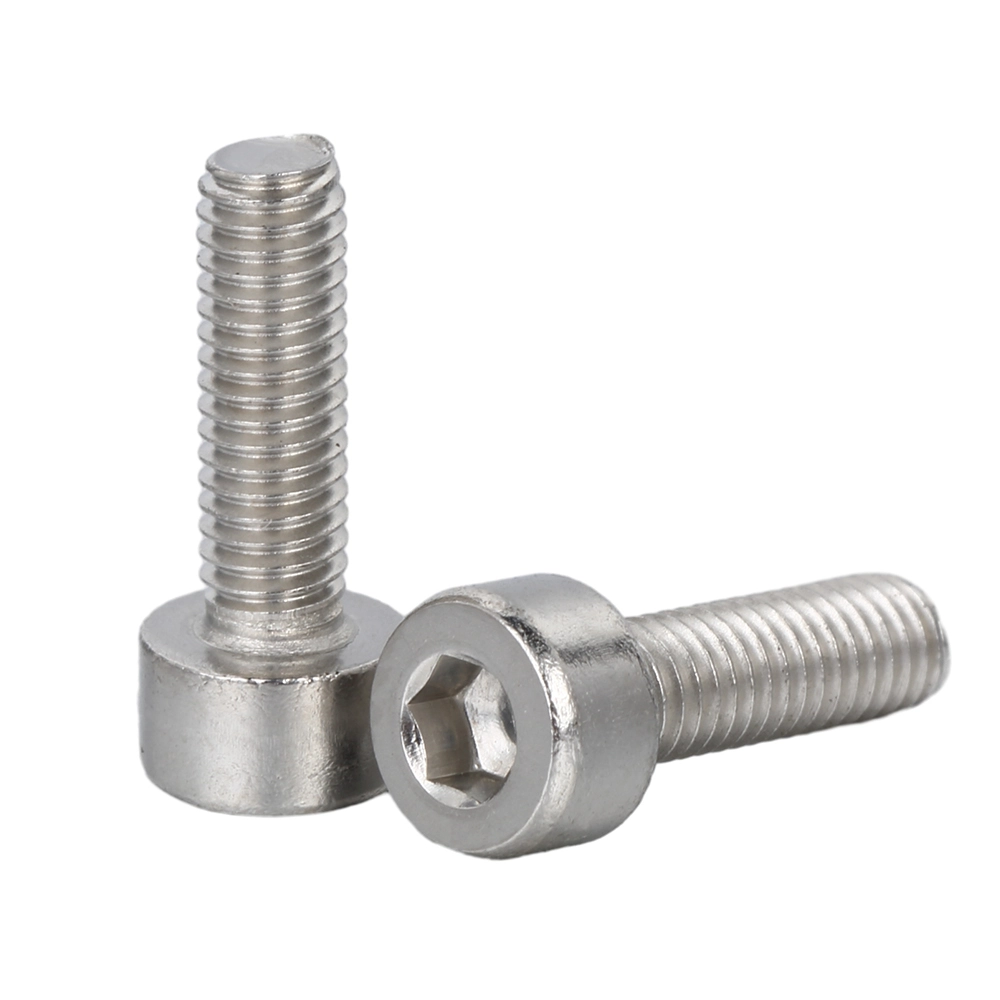
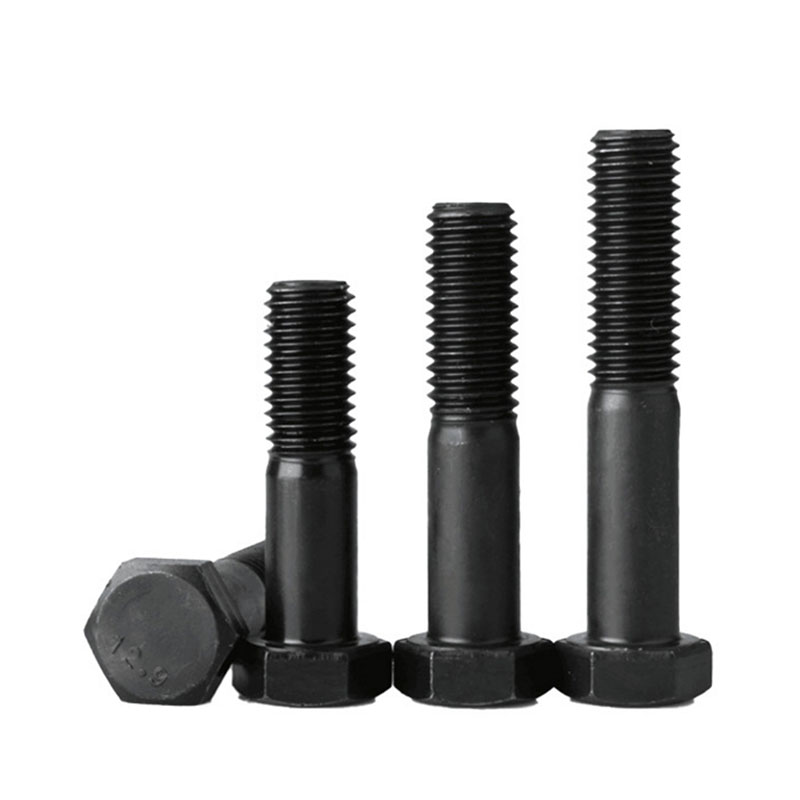
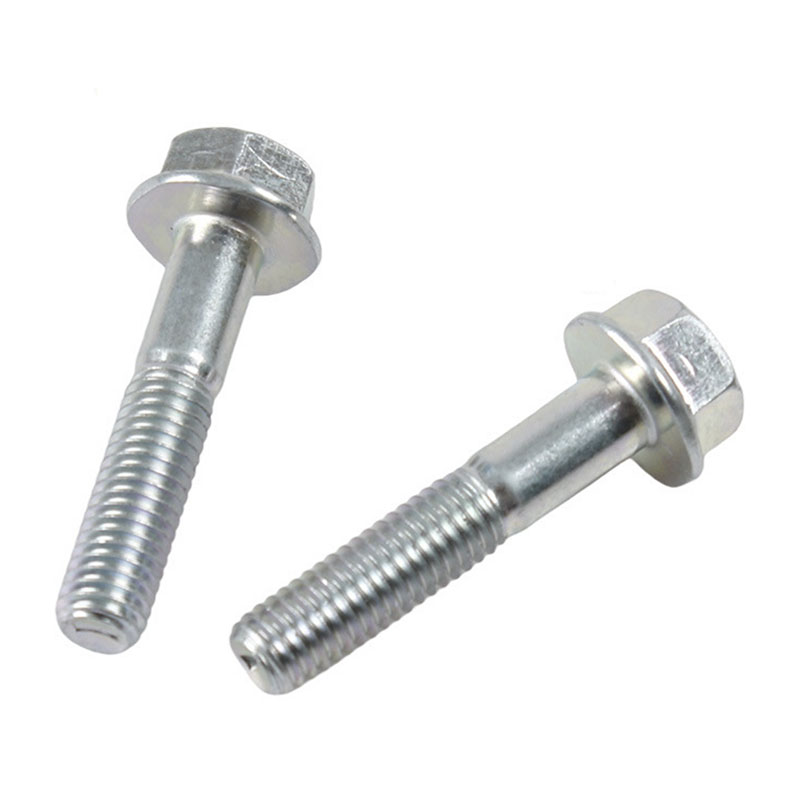
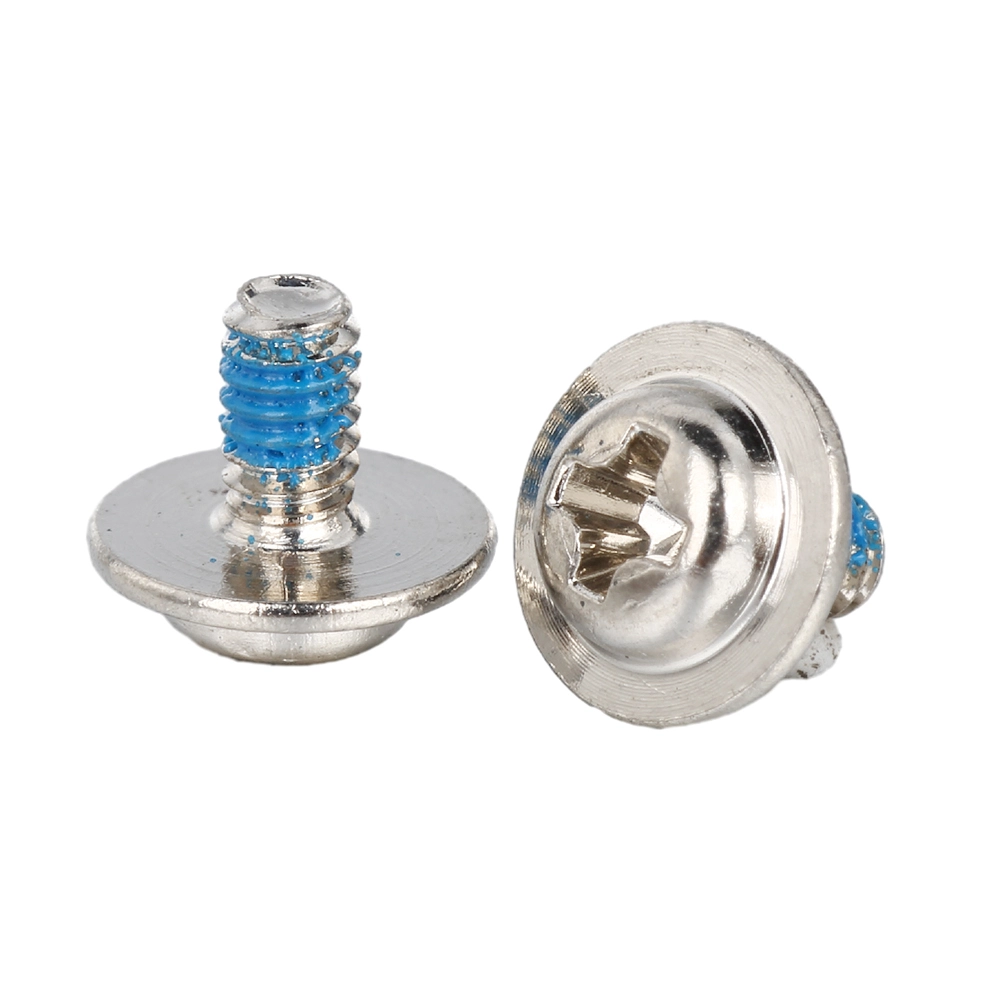
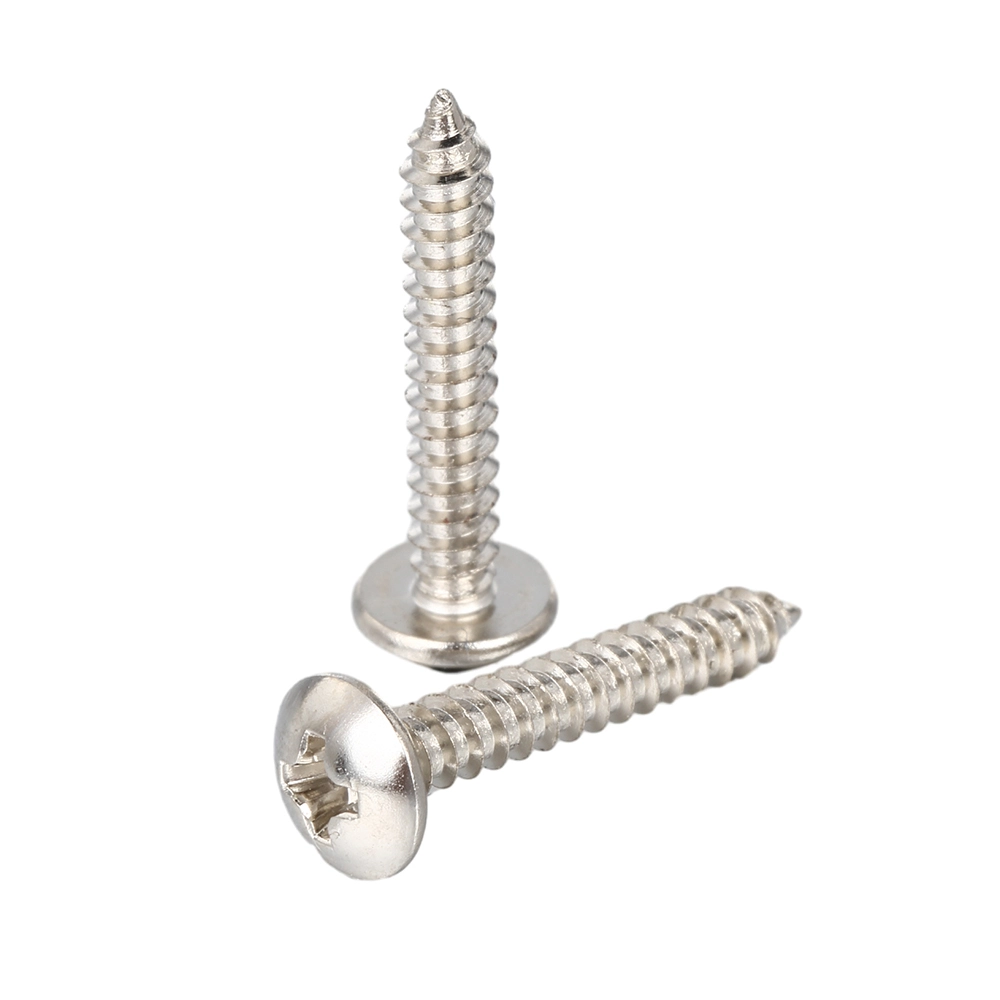
The schedules above are applied to the quenched-and-tempered, electroplated families below — the ones where a missed bake is not a cosmetic defect but a field failure.
Five questions, five answers. Click a question to open it.
Anything that has been heat treated and electrolytically plated — zinc, cadmium, hard chrome or zinc-nickel. Within that group, classes 10.9 and 12.9 in every size are always baked, and class 8.8 is baked when its hardness ended up above HRC 32 after deep pickling or a long cathodic degrease. Parts that were never heat treated, and coatings with no electrolytic hydrogen source, do not need the cycle.
Within 1 to 4 hours of coming out of the plating rinse, and always before passivation or sealing. Class 12.9 is tighter — furnace entry within 2 hours. The reason is physical: once the passivation film closes the coating pores, the hydrogen has no path out and the bake stops working whatever the temperature says.
Because 12.9 is tempered at 400 – 480 °C and 10.9 at 500 – 550 °C. A bake that runs above 220 °C starts tempering the part a second time, so hardness and tensile strength drop below the class you are selling. The window of 200 – 220 °C is wide enough to remove hydrogen and narrow enough to leave the temper alone.
Mechanical zinc, zinc-flake coatings such as Dacromet or Geomet type, and chrome-free zinc-aluminium coatings. None of them involves an electrolytic step, so no hydrogen is charged into the steel and a normal dry-off cycle is sufficient. Running a bake on these parts adds cost and cycle time for no measurable protection.
The routine acceptance test is the sustained-load delayed fracture test to GB/T 3098.17 and ISO 15330: a constant load below yield, held for 48 to 200 hours, with no fracture as the pass criterion. Small screws and spring-washer parts are additionally checked by parallel bearing-surface loading over 24 hours; notched tensile testing quantifies sensitivity, and SEM fractography identifies hydrogen as the cause when a part does come back cracked.
Send the drawing or the part number and we will come back with the heat-treatment route, the bake schedule your part needs, and the test we would run to sign it off.